
Zurich's Crypto Valley: Infrastructure for Switzerland's Regulated FinTech
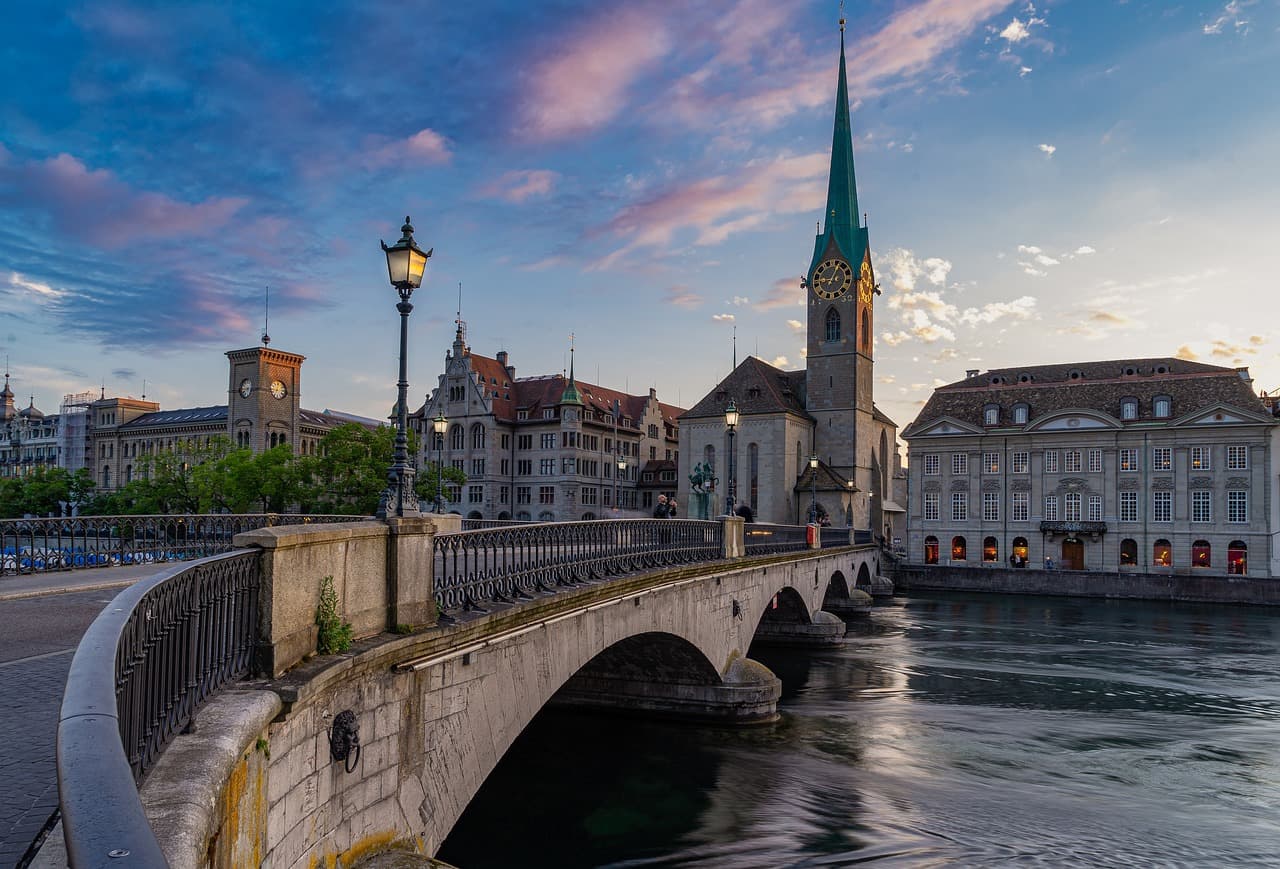
Zurich sits 30 minutes from Zug's "Crypto Valley" and centuries deep in private banking tradition. That combination — bleeding-edge blockchain startups next to the world's most conservative financial institutions — creates infrastructure requirements found nowhere else: Swiss-grade reliability expectations applied to crypto-native architectures.
Switzerland's Dual Identity
Zurich/Zug corridor hosts:
├─ 1,100+ blockchain/crypto companies (Crypto Valley Association)
├─ UBS, Credit Suisse successor entities, 250+ private banks
├─ FINMA (Swiss Financial Market Supervisory Authority)
└─ Strictest data protection law in Europe outside GDPR (FADP/nDSG)
Switzerland isn't in the EU, which means it runs its own data protection regime (revised Federal Act on Data Protection, nDSG) — similar to GDPR in spirit but with distinct requirements around cross-border transfers and data localization.
FINMA-Compliant Infrastructure
Regulatory Categories That Drive Architecture
FINMA licensing tiers relevant to infrastructure:
├─ Banking license: full regulatory stack, on-prem/hybrid often required
├─ FinTech license ("light banking"): CHF 100M deposit cap, lighter infra ask
├─ DLT license: covers crypto custody/trading, added AML/custody rules
└─ SRO membership: minimum for any payment-adjacent business
# FINMA-aligned transaction monitoring
class SwissComplianceGateway:
    """
    FINMA + FADP requirements:
    1. Data localization preference (Swiss-hosted or EU-adequate)
    2. AML transaction monitoring (per AMLA)
    3. Audit trail retention: 10 years (stricter than EU's 6)
    4. Outsourcing notification to FINMA for critical functions
    """

    def process_transaction(self, account, amount, counterparty):
        if not self.travel_rule_compliant(counterparty):
            return {"error": "Travel Rule data missing"}

        risk_score = self.aml_engine.score(account, amount)
        if risk_score > self.threshold:
            self.file_sar(account, amount)  # Suspicious Activity Report

        tx = self.ledger.execute(account, amount, counterparty)
        self.audit_store.persist(tx, retention_years=10)
        return tx
Data Localization Architecture
# Swiss-preference hosting pattern
provider "azure" {
  # Azure Switzerland North (Zurich) — FINMA-recognized
  location = "switzerlandnorth"
}

resource "azurerm_key_vault" "hsm" {
  name     = "swiss-banking-hsm"
  sku_name = "premium"  # HSM-backed keys, required for custody operations
}
Cloud options with Swiss data residency:
├─ Azure Switzerland North/West (Zurich/Geneva)
├─ AWS: no native Swiss region — most banks use on-prem or Frankfurt + SCCs
├─ Google Cloud: no native Swiss region either
└─ Local providers: Swisscom, Green.ch, Infomaniak (fully sovereign)
Many Swiss banks still run core banking systems on-premise or in Swiss-owned data centers precisely because "not natively hosted in Switzerland" is a due-diligence red flag for institutional clients.
Crypto Custody Infrastructure
Zurich/Zug's DLT-licensed firms need custody-grade security most fintechs never touch:
// Cold storage / HSM-backed key management
package custody

type CustodyVault struct {
    HSMCluster   []HardwareSecurityModule
    MultiSigM    int // required signatures
    MultiSigN    int // total signers
    ColdStorage  bool
}

func (v *CustodyVault) AuthorizeWithdrawal(req WithdrawalRequest) error {
    sigs := v.collectSignatures(req)
    if len(sigs) < v.MultiSigM {
        return ErrInsufficientSignatures
    }
    // Air-gapped signing ceremony for cold storage
    return v.HSMCluster[0].SignAndBroadcast(req, sigs)
}
Typical Swiss crypto custody stack:
├─ Fireblocks / Copper (MPC custody-as-a-service)
├─ Self-hosted HSM cluster (Thales, Utimaco) for regulated entities
├─ Multi-sig cold storage (3-of-5 minimum for institutional funds)
└─ FINMA DLT license mandates segregated client asset architecture
Latency Profile from Zurich
Zurich → Frankfurt:  10ms
Zurich → Milan:      15ms
Zurich → London:     18ms
Zurich → Paris:      12ms
Zurich → New York:   90ms
Zurich → Singapore:  160ms
Zurich's low intra-European latency makes it a strong secondary hub for firms already anchored in Frankfurt or London who need a Swiss-jurisdiction presence for licensing reasons.
Cost Dynamics
Option                        | Relative cost | Notes
-------------------------------|----------------|------------------
Azure Switzerland North        | ~1.4x eu-west  | Premium for data residency
On-prem (Swiss data center)    | High capex     | Required for some bank tiers
Frankfurt + SCCs (hybrid)      | ~1.0x eu-west  | Common for lighter FinTech license
Swiss hosting carries a real premium — teams typically keep only client PII and custody keys Swiss-resident, running everything else (analytics, non-sensitive services) from Frankfurt.
Talent in Zurich
| Role | Salary (CHF) |
|---|---|
| Mid-level DevOps | 110-140K |
| Senior Cloud/Security Engineer | 140-180K |
| Staff Engineer (fintech/crypto) | 180-230K+ |
Zurich salaries run among the highest in Europe — driven by cost of living, but also by genuine scarcity of engineers who understand both banking-grade compliance and modern crypto infrastructure simultaneously.
Best Practices for Zurich/Swiss FinTech Infrastructure
| Practice | Benefit |
|---|---|
| Segregate custody keys in HSM, air-gapped | FINMA DLT license requirement |
| Swiss/EU-resident hosting for client PII | nDSG compliance, institutional trust |
| 10-year audit trail retention | Exceeds FINMA minimum, avoids gaps |
| Multi-sig withdrawal authorization | Prevents single-point custody failure |
| Document outsourcing per FINMA circular 2018/3 | Required for any critical function moved to cloud |
Conclusion
Zurich infrastructure sits at the intersection of two demanding standards: Swiss banking's zero-tolerance reliability culture and crypto-native custody security. Getting both right — FINMA-compliant, nDSG-compliant, and genuinely secure at the custody layer — is a narrow, specialized problem.
If you're building regulated FinTech or crypto infrastructure that needs to survive a Swiss regulatory audit, reach out — this is the exact overlap of compliance and systems architecture I work in.