Tokyo's Enterprise Cloud: From Stability to Innovation in Japanese Tech
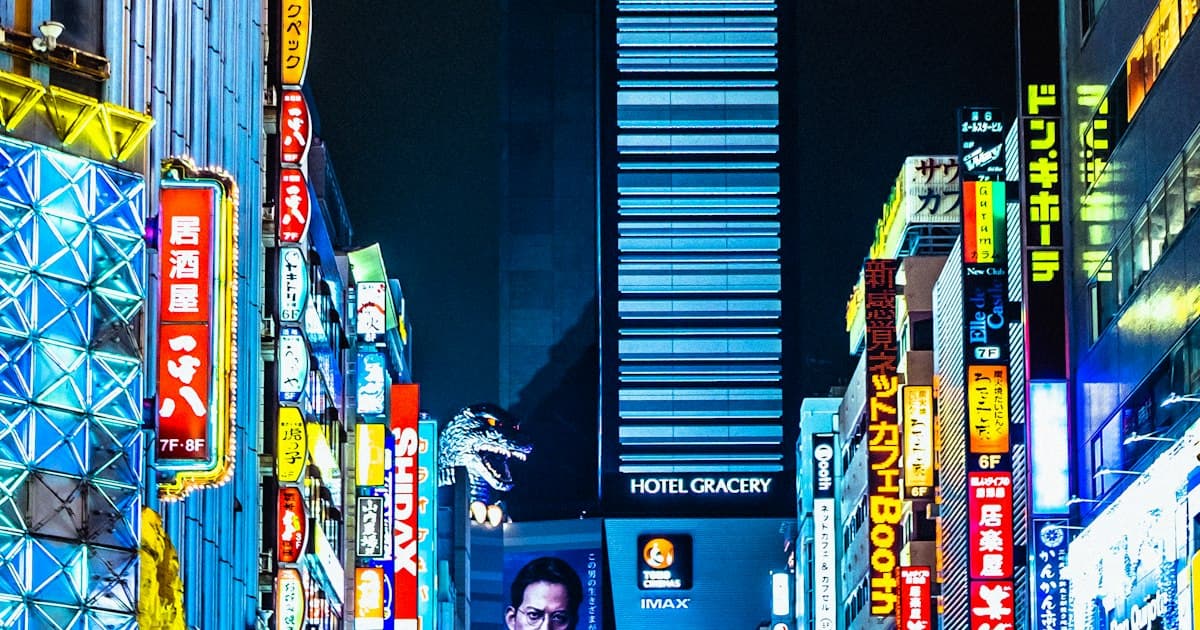
Tokyo is Japan's tech capital, but different from Silicon Valley. Less startup culture, more enterprise transformation. Japanese companies are migrating from mainframes to cloud—carefully, with extreme stability requirements.
Japan's Cloud Transformation
Unique Market Dynamics
Silicon Valley: "Move fast, break things"
Tokyo: "Move carefully, never break anything"
Japan's infrastructure philosophy:
- 99.999% uptime mandatory (financial institutions)
- Data sovereignty (must stay in Japan)
- Regulatory compliance (FSA, METI)
- Long-term partnerships (not vendor churn)
Cloud Adoption Curve
2015: Cloud skepticism (3% enterprise adoption)
2018: Gradual adoption begins (15%)
2021: COVID accelerates (40%)
2023: Mainstream (65%)
2025: Near-universal (85%+)
Tokyo is currently in rapid scaling phase.
Major Companies Driving Cloud
Financial Services
- Nomura: 5,000+ tech staff (brokerage → cloud)
- SoftBank: Early cloud adopter (telecom → digital)
- Yahoo Japan: Cloud-native (search + commerce)
Manufacturing
- Toyota: Automotive cloud platform
- Sony: Cloud-first entertainment
- Panasonic: IoT infrastructure
All modernizing legacy systems to cloud.
Infrastructure Stability Requirements
Uptime SLA in Japan
Financial institution requirement:
└─ 99.99% uptime = 52.6 minutes downtime/year

European enterprise:
└─ 99.95% uptime = 22 hours downtime/year

Japanese expectation:
└─ 99.999% uptime = 5.26 minutes downtime/year
To achieve 99.999% uptime:
# Multi-region, multi-AZ, multi-provider
resource "aws_db_instance" "primary_tokyo" {
  multi_az = true

  backup_retention_period = 35
  copy_tags_to_snapshot   = true

  # Automatic failover within region: 2-3 minutes
  # Manual failover to secondary region: 5-10 minutes
}

# Secondary region (as backup)
resource "aws_db_instance" "standby_osaka" {
  # Asynchronous replication (eventual consistency)
  # RTO: 5 minutes
  # RPO: < 1 minute
}

# Monitoring & alerting
resource "aws_cloudwatch_metric_alarm" "db_availability" {
  comparison_operator = "LessThanThreshold"
  threshold           = 99.99
  evaluation_periods  = 2
  alarm_actions       = [aws_sns_topic.critical.arn]
}
Compliance Requirements
FISC Compliance (Financial Sector)
FISC = Financial Information System Council
Requirements:
- Encryption at rest + in transit
- Regular backup + recovery testing
- Audit logging (7-year retention)
- Access controls (role-based)
- Incident response procedures
# FISC-compliant logging
import logging
import json

fisc_logger = logging.getLogger('fisc_audit')

def record_transaction(user_id, amount, account):
    # Transaction processing...

    # FISC audit log
    fisc_logger.info(json.dumps({
        'timestamp': datetime.now().isoformat(),
        'user_id': user_id,
        'amount': amount,
        'account': account,
        'action': 'transaction',
        'ip': request.remote_addr,
        'user_agent': request.user_agent.string
    }))

    # Must be immutable and non-repudiate
    # Store in write-once S3 Glacier Deep Archive
Data Localization
Japanese law requires personal data stays in Japan:
# ap-northeast-1 (Tokyo) region only
provider "aws" {
  region = "ap-northeast-1"
}

# Cannot replicate to us-east-1 (violates law)

# Exception: Backup to encrypted, isolated secondary
resource "aws_backup_vault" "japanese_data" {
  name = "japanese-data-backup"

  # Encrypted with KMS key in Tokyo region
  kms_key_arn = aws_kms_key.tokyo.arn
}
Tax Compliance
Japanese tax law requires:
- Sales tax (10%) tracking
- Invoice retention (10 years)
- Regular audits
-- Immutable audit trail for tax compliance
CREATE TABLE transaction_audit_log (
  id BIGSERIAL PRIMARY KEY,
  transaction_id INT,
  amount DECIMAL,
  tax_amount DECIMAL,
  date TIMESTAMP,
  user_id INT,
  hash BYTEA,  -- SHA256 of previous row (blockchain-like)
  created_at TIMESTAMP DEFAULT NOW()
);

-- Hash ensures no tampering
-- Cannot delete or modify (compliance requirement)
Legacy Modernization Patterns
Monolith to Microservices (Japanese Approach)
Japanese companies take 2-3x longer to modernize:
Phase 1 (Year 1): Assessment
├─ Map legacy systems
├─ Identify hot paths
└─ Plan migration

Phase 2 (Year 2): Strangler Pattern
├─ Run new + old simultaneously
├─ Gradually move traffic to new
├─ Maintain 99.99% uptime

Phase 3 (Year 3): Sunset
├─ Move final components
├─ Decommission mainframe
└─ Monitor intensively

vs Silicon Valley: 6-month greenfield rewrite
Case Study: Major Bank Migration
Large Japanese bank migrated from mainframe to Kubernetes:
Timeline: 3 years (2019-2022)
Phases:
├─ Year 1: Build parallel infrastructure (no prod traffic)
├─ Year 2: Mirror live traffic (test with real data)
└─ Year 3: Cutover (30-day parallel run)

Infrastructure:
├─ EKS Tokyo (primary)
├─ EKS Osaka (DR)
├─ DMS (Database Migration Service) for replication
└─ Extensive monitoring + alerting

Cost: $50M (infrastructure + integration + testing)
Infrastructure Talent in Tokyo
Salary Ranges
| Role | Salary (USD) |
|---|---|
| Junior DevOps (0-2yr) | $40-50K |
| Mid-level (2-5yr) | $55-75K |
| Senior (5-10yr) | $75-110K |
| Staff Engineer | $110-150K |
Competitive with Singapore, higher than Bangalore.
Companies Hiring
- Nomura: Digital transformation (100+ engineers)
- SoftBank: Cloud platform (200+ engineers)
- Yahoo Japan: AWS-first (150+ engineers)
- Rakuten: E-commerce cloud (200+ engineers)
- LINE: Messaging + fintech (300+ engineers)
Visa Requirements
Japan visa for engineers:
- Highly Skilled Professional Visa: 1-5 years (renewable)
- Immigration Point System: Higher qualifications = easier approval
- Startup Visa: Available for entrepreneurs
Best Practices for Tokyo Infrastructure
| Practice | Benefit |
|---|---|
| Multi-AZ within Tokyo | High availability |
| Backup region (Osaka/Kyoto) | Disaster recovery |
| Encryption by default | Compliance requirement |
| Immutable audit logs | Regulatory requirement |
| Extended retention | 7-10 year requirements |
| Regular DR testing | Prove 99.99% capability |
| Japanese support staff | Language, regulatory knowledge |
Cost Optimization in Japan
Expensive Infrastructure = Higher Uptime
Tokyo AWS costs: 20-30% higher than us-east-1
(due to regional pricing, compliance requirements)

Justification:
├─ 99.999% uptime = fewer incidents = lower OpEx
├─ Fast recovery = business continuity
└─ Regulatory compliance = avoid fines
Optimization strategy:
# Use reserved instances for baseline
resource "aws_ec2_fleet" "baseload" {
  allocation_strategy = "lowest-price"

  # 80% reserved (cheaper)
  # 20% spot (burstable)
}

# Auto-scale only when needed
resource "aws_autoscaling_group" "burst" {
  min_size = 0
  max_size = 10  # Reserved for peak
}
Conclusion
Tokyo represents Enterprise Cloud: stability-first, compliance-driven, cautious innovation. Infrastructure patterns prioritize:
- Reliability over cost
- Compliance over speed
- Partnership over vendor switching
- Long-term over quick wins
For companies serving Japan: Invest in stability, compliance expertise, and local support. The market demands it.
Tokyo's approach is the future for regulated industries globally. Master it here, apply it everywhere.