Bangalore's Tech Boom: Building Scalable Infrastructure for India's Startup Ecosystem
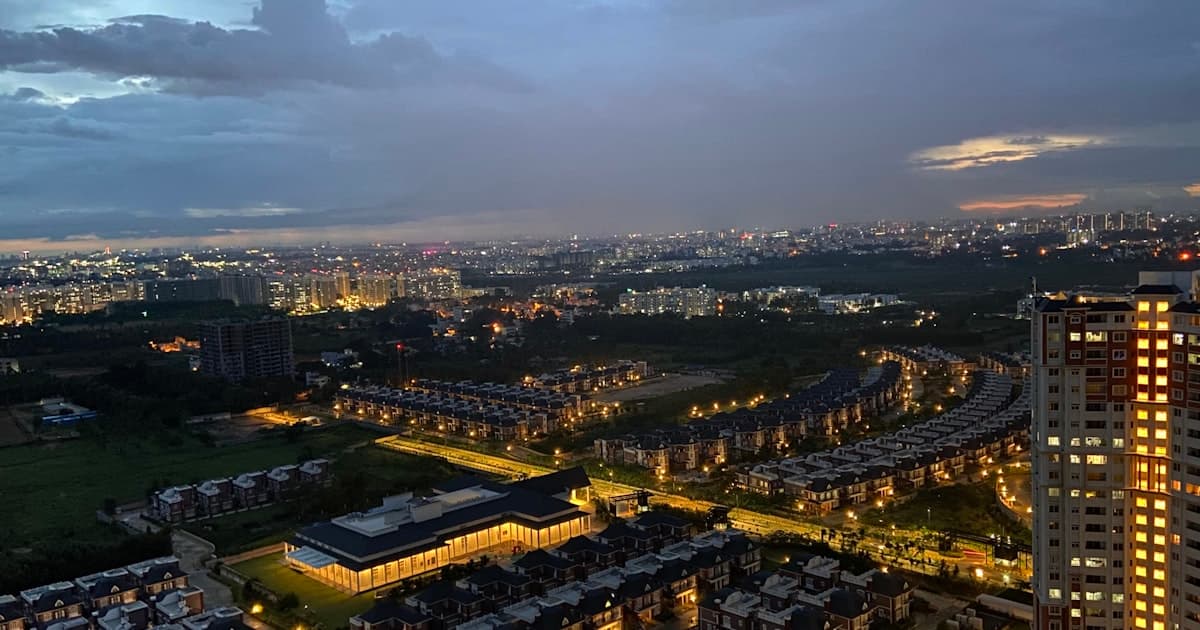
Bangalore is India's startup capital: 7,000+ startups, $2.5B+ annual funding, 1.5M tech workers. It's the largest talent pool for DevOps engineers globally. Infrastructure patterns are shaped by scale, cost, and emerging markets.
Bangalore's Advantage
World's Largest Talent Pool
Bangalore vs Others:
Location         | Tech Workers | Avg Salary
-----------------|--------------|----------
Bangalore        | 1.5M         | $8-15K/year
San Francisco    | 300K         | $150-250K/year
Toronto          | 200K         | $80-120K/year
1.5M tech workers + $8-12K salary = cost advantage.
Most cloud-native companies hire 30-50% of engineers from Bangalore.
Startup Success Stories
- Unicorns: BYJU'S, Swiggy, OYO, Flipkart (exited $16B to Walmart)
- Decacorns: 15+ companies valued at $1B+
- Global exits: Zomato ($13B IPO), Nykaa ($750M IPO)
Infrastructure Patterns for Indian Startups
Typical Stack (2025)
# Bangalore startup tech stack
infrastructure:
  cloud_primary: AWS ap-south-1 (Mumbai region)
  cloud_secondary: GCP asia-south1 (Delhi)

  containers: Kubernetes (EKS or self-managed)
  orchestration: KEDA (auto-scaling)

database:
  primary: AWS RDS PostgreSQL
  replica: Google Cloud SQL (DR)
  cache: Redis (ElastiCache)
  analytics: BigQuery (cost-efficient)

storage:
  objects: S3 (ap-south-1)
  backup: GCS (multi-region)

iac: Terraform (standard)
ci_cd: GitHub Actions (industry standard)
monitoring: Prometheus + Grafana (cost-conscious)
Note: Multi-cloud early (cost + redundancy).
Cost Optimization Patterns
Bangalore startups optimize aggressively:
AWS Pricing (on-demand):
  ap-south-1 (Mumbai): $0.0650/hour (t3.large)
  us-east-1 (N. Virginia): $0.1040/hour
  Difference: 38% cheaper in India!

Strategy:
├─ Primary workload: India (cheap)
├─ Secondary workload: US (market access)
└─ Result: 50% cost vs pure US deployment
Indian Tech Infrastructure Dynamics
Challenge 1: Unreliable Power
Power failures are common. Infrastructure must handle:
Mumbai: ~30 power cuts/year
Bangalore: ~10 cuts/year
Solutions:
# Auto-scaling groups survive power events
resource "aws_launch_template" "app" {
  instance_market_options {
    market_type = "spot"  # Cheap, survives failures
  }

  instance_type = "t3.large"

  # Must be idempotent—instant recovery
}

# Rapid recovery from spot interruption
resource "aws_autoscaling_group" "app" {
  min_size         = 3
  desired_capacity = 3

  health_check_type          = "ELB"
  health_check_grace_period  = 60  # Quick detection

  default_cooldown = 30  # Fast recovery
}
Challenge 2: Network Variability
Internet quality varies by ISP:
- Premium ISP (datacenters): 99.9% uptime
- Consumer ISP: 95% uptime
Solutions:
# Degrade gracefully during network issues
class ResilientAPI:
    def get_data(self, key):
        try:
            # Primary cloud
            return self.cloud.get(key, timeout=2)
        except TimeoutError:
            # Fallback to local cache
            return self.cache.get(key)
        except:
            # Last resort: return stale data
            return self.stale_cache.get(key)
Bangalore Startup Growth Pattern
Series A (Bangalore Typical)
Team: 20 engineers (70% India, 30% US)
Burn: $150K/month
Cloud budget: $5K/month

Infrastructure:
├─ EKS or self-managed K8s (1 cluster)
├─ RDS Single-AZ (cost savings)
├─ S3 + CloudFront
├─ GitHub Actions CI/CD
└─ Prometheus + Grafana (self-hosted)

Why cheap? Self-hosting, single region, spot instances.
Series B
Team: 50 engineers (50% India, 30% US, 20% other)
Burn: $400K/month
Cloud budget: $20K/month

Infrastructure:
├─ EKS primary (Mumbai ap-south-1)
├─ EKS secondary (N. Virginia us-east-1)
├─ Multi-region RDS
├─ Multi-region caching
├─ Managed service mesh (AWS App Mesh)
├─ DataDog for observability
└─ Terraform Cloud (IaC)
Series C+
Team: 200+ engineers
Burn: $2M+/month
Cloud budget: $150K+/month

Infrastructure:
├─ 3+ region clusters
├─ Global database (CockroachDB or Vitess)
├─ Multi-cloud (AWS + GCP + Azure)
├─ Dedicated SRE team (6+ engineers)
├─ Advanced observability (Datadog)
└─ Incident management (PagerDuty)
Talent & Engineering Culture
Salary Ranges (Bangalore, 2025)
| Role | Salary (USD) |
|---|---|
| Junior DevOps (0-2yr) | $8-12K |
| Mid-level (2-5yr) | $15-25K |
| Senior (5-10yr) | $25-40K |
| Staff Engineer (10+yr) | $40-70K |
| Engineering Manager | $30-60K |
⚠️ Note: 2-3x cheaper than SF but quality matches.
Top Companies Hiring
- BYJU'S: 5,000+ employees (edtech)
- Swiggy: 2,000+ (food delivery)
- OYO: 1,500+ (hospitality)
- Flipkart: 10,000+ (e-commerce)
- Nykaa: 1,000+ (beauty e-commerce)
- Zomato: 1,500+ (food tech)
Also strong hiring from:
- Adobe, Microsoft, Google, Amazon (local offices)
- Cisco, VMware (R&D centers)
- Countless global startup R&D teams
Why Bangalore Dominates Hiring
- Cost: 3-4x cheaper than SF
- Talent pool: 1.5M tech workers
- Quality: IIT + other top colleges
- Work ethic: High productivity culture
- Entrepreneurship: Many junior engineers start companies
Challenges in Bangalore
1. Visa & Travel
Indian engineers need visas to work outside India.
Solution:
- Leverage strong local market
- Build global products
- Export engineering (remote teams)
2. Infrastructure Immaturity
AWS ap-south-1 (Mumbai) region:
- Fewer services than US regions
- Less community knowledge
- Higher support costs
3. Regulatory Complexity
RBI (Reserve Bank of India) regulations:
- Data localization requirements
- Currency controls (limits remittances)
- KYC compliance
Infrastructure Best Practices for Bangalore Startups
| Practice | Benefit |
|---|---|
| Primary India, Secondary US | Cost + market access |
| Spot instances aggressively | 70% cost savings |
| Multi-cloud from start | Redundancy + competition |
| Observability first | Handle network variability |
| Immutable infra | Survives power issues |
| Strong backup strategy | Data protection |
Real Example: Zomato's Infrastructure
Zomato (food delivery unicorn) infrastructure pattern:
Primary: India (cost)
├─ AWS ap-south-1 + AWS ap-southeast-1
├─ Multi-region K8s
├─ Global database (Citus PostgreSQL)
└─ Real-time order processing

Secondary: Global (market access)
├─ US East (order API)
├─ Europe (expansion)
└─ APAC (local markets)

Cost optimization: Spot instances, reserved capacity.
Result: Handle 1M+ orders/day with optimized cost.
Salary Arbitrage for Distributed Teams
Global startup with 50% India-based team:
Salary cost (equal contribution):
├─ SF engineer: $200K/year
├─ Bangalore engineer: $12K/year
└─ Difference: $188K/year per engineer

For 20-person team:
├─ 10 in SF: $2M/year
├─ 10 in Bangalore: $120K/year
└─ Total: $2.12M vs $2M (SF-only)

Productivity equal, cost advantage of location.
This is why Stripe, Figma, Retool hire heavily from Bangalore.
Conclusion
Bangalore is simultaneously:
- The world's cheapest engineering hub
- The world's largest talent pool
- Home to India's fastest-growing startups
- Global R&D center for tech giants
Infrastructure patterns in Bangalore are shaped by cost optimization, reliability challenges, and massive scale. Master these patterns, and you can build globally competitive systems at 1/3 the cost.
For global startups: Bangalore isn't where you extract cheap labor—it's where you find world-class engineers at global rates.